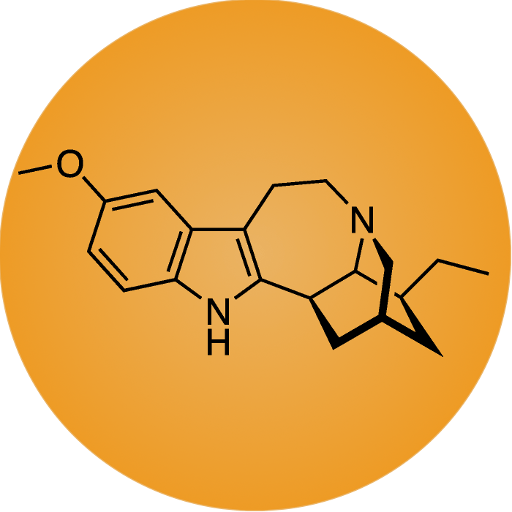
Understanding Ibogaine and Its Mechanism of Action
Ibogaine is a naturally occurring psychoactive substance derived from the root bark of the African iboga plant. It interacts with various neurotransmitter systems in the brain, particularly the opioid receptors, which play a crucial role in addiction and withdrawal symptoms.
Research indicates that ibogaine can reduce cravings and withdrawal symptoms in individuals struggling with substance use disorders. Studies have shown that it may help reset the brain's reward pathways, providing a unique therapeutic avenue for those seeking recovery from addiction.
The Historical Context of Ibogaine Research
The exploration of ibogaine as a treatment for addiction dates back several decades, with significant research emerging in the 1960s. However, the subsequent prohibition of psychedelic substances halted many promising studies, leading to a gap in understanding its potential benefits.
In the late 1980s, renewed interest in ibogaine arose as the opioid crisis intensified. Researchers began to advocate for the resumption of studies, highlighting ibogaine's unique properties and its potential to address the growing public health issue of addiction.
Challenges in Ibogaine Research and Regulation
Despite the promising findings surrounding ibogaine, research has been hindered by strict regulatory frameworks. The classification of ibogaine as a Schedule I substance in many countries has created significant barriers to conducting comprehensive clinical trials.
These regulatory challenges not only affect the pace of research but also limit access to ibogaine for individuals seeking treatment. Advocacy for policy reform is essential to facilitate further studies and potentially integrate ibogaine into conventional addiction treatment protocols.
The Future of Ibogaine in Addiction Treatment
The future of ibogaine as a treatment for addiction looks promising, with ongoing research aimed at understanding its efficacy and safety. As scientific interest grows, there is potential for ibogaine to become a viable option within the broader context of addiction therapies.
Emerging studies and anecdotal evidence suggest that ibogaine could be integrated into holistic treatment approaches, particularly when combined with therapeutic modalities such as primal therapy. Continued research and advocacy will be crucial in shaping the future landscape of addiction treatment.