
We recently sat down with Richie Ogulnick, an experienced Ibogaine provider who has facilitated over 750 sessions, including vital addiction interruption treatments. He has dedicated his life to facilitating professional therapeutic and psychospiritual treatments with the compound and focusing intensely on the crucial step of reintegration after the profound experience.
In this expanded post, we distill the key insights from our conversation, covering the critical difference between the full plant medicine and its isolated alkaloid, the varied dosing protocols for different goals, the history of its modern therapeutic use, and the powerful potential this medicine holds for deep, lasting transformation.
Ibogaine and Iboga: The Critical Pharmacological Difference
A common point of confusion for those interested in plant medicine is the distinction between Ibogaine and the whole plant, Tabernanthe Iboga. Richie explained that the choice between the two depends fundamentally on the intended therapeutic goal: addiction interruption and psychospiritual development.
Iboga (Whole Plant / Full Spectrum Extract)
This is the root bark of the Tabernanthe Iboga shrub, which contains a rich matrix of roughly 13 distinct alkaloids. The full spectrum of compounds provides a unique synergy that is believed to enhance the overall experience. Richie notes that this whole-plant preparation is optimally suited for psychospiritual and therapeutic sessions where the intention is to facilitate a deep, intentional, and often gentler journey of self-reflection and healing.
Ibogaine Hydrochloride (Isolated Alkaloid)
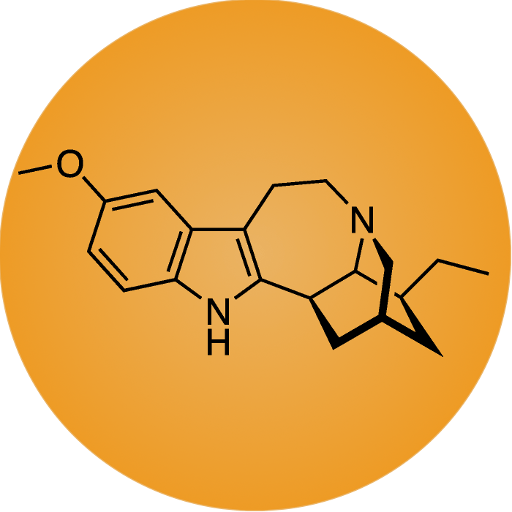
This is the isolated and purified Ibogaine alkaloid (HCL). Pharmacologically, it is highly targeted and extremely effective for a detox or rapid addiction interruption treatment. The isolated compound works by targeting various neural receptor sites (including those for nicotine, alcohol, and opioids) to achieve two critical outcomes:
- Eliminate Craving: It appears to reset the brain’s neurochemistry, functionally eliminating the physiological compulsion and intense craving that drives addiction.
- Overwhelm Withdrawal: According to Richie, it can place a person dealing with a severe opioid addiction into a “pre-addictive state” without the agony of withdrawal. This capability is what makes it a revolutionary substance for those trapped in the cycle of opioid dependence.

A Pioneer’s Journey: The Roots of Modern Ibogaine Treatment
Richie’s path to becoming an experienced Ibogaine provider began serendipitously in 1989 after a friend discovered an article in the Village Voice detailing the medicine’s potential. His research led him to a key figure in the history of psychedelic medicine: Howard Lotsof. Lotsof was famously one of the first people arrested for LSD when it became illegal, but more importantly for this story, he was the first person to use Ibogaine to interrupt his own narcotic withdrawal in 1962.
Richie’s commitment to the work led him to take a journey to Cameroon, West Africa, to obtain the medicine and seeds directly. It was a series of synchronistic events which transpired to have him bringing the medicine back to the west in ten days. He acquired 13 grams of Ibogaine hydrochloride from a chemist and upon returning to the West, he and his colleagues discovered a crucial chapter from the out-of-print book The Healing Journey by Dr. Claudio Naranjo. Naranjo’s documentation of mid-range dose sessions for therapeutic use was vital, as it helped Richie and his colleagues begin to explore and create the dosage ranges specifically for psychospiritual and therapeutic sessions, moving beyond solely the flood-dose addiction model.
Precision Dosing Protocols: Tailoring the Experience
The dosage and administration protocol for Ibogaine are not one-size-fits-all; they vary dramatically depending on the goal. Richie’s extensive experience has led to refined protocols for various intentions:
Microdosing
Microdosing is generally characterized by two main approaches, neither of which involves the intense psychedelic journey:
- Symptomatic: Taking a small amount (e.g., a capful of the plant material) that produces mild, noticeable effects such as increased focus, more energy, or less anxiety, taken 2-4 times a week.
- Sub-Perceptual: Taking a dose so small that the user feels no acute psychoactive effects. This relies on trusting the literature on neuroplasticity and cumulative positive effects, allowing the user to remain completely functional for work or daily life. He shared a compelling example of clients using microdosing to alleviate symptoms of Parkinson’s disease, noting that one client was able to walk without a cane after just a few days of the protocol.
Therapeutic Dosing
Richie highlighted an evolution in his therapeutic dosing approach for a deep, insightful session:
| Treatment Goal | Dosing Method | Rationale |
| Addiction Interruption | The Flood Dose (Large dose administered in close time proximity) | The goal is a rapid, high-concentration dose to quickly overwhelm and eliminate the physiological and psychological symptoms of withdrawal. |
| Psychospiritual / Therapeutic | Gentle, Gradual Cumulative Dose (Dosed slowly over 6-7 hours) | This protocol allows the person to ease into the experience, providing the necessary time to more gently reflect and explore specific emotional or thematic issues before entering the deepest stage of the journey. |
Regardless of the initial administration method, this approach leads to the core psychedelic experience: a “waking dream state.” This deep, self-reflective state lasts anywhere from 16 to 36 hours, during which the individual is instructed to keep their eyes closed to facilitate an inner exploration of their life, trauma, and mental patterns.
The True Measure of Healing: Reintegration and the “Not Knowing”
The success of an Ibogaine experience is not measured by the intensity of the visions or the duration of the journey. Richie shared an insightful and counter-intuitive observation: a person who had virtually no visions (an experience compared to taking a quarter of a Valium) often got more out of the experience than a person who had 16.5 hours of documented visions.
For him, the most important outcome is assessed six months later, when a person is evaluated on whether they have let go of their “old sense of self” and are continuing to move forward with new, healthier patterns.
The critical phase, and often the hardest, begins after the session. This is the reintegration period. Richie provides dedicated post-session support, including phone conversations that can last from three days up to two and a half years. The central psychological challenge in this reintegration is learning to abide in a sense of “not knowing”—accepting the confusion and disorientation that comes with the necessary destruction of one’s old self-definitions, belief systems, and coping mechanisms. This acceptance of the void is where true, lasting change takes root.
The Shifting Legal and Research Landscape
Ibogaine was placed on the controlled substance list in the US in 1970, classifying it as a Schedule I substance and halting most research for decades. However, the landscape is rapidly changing.
The most significant sign of this shift is the US government’s recent allocation of $47 million to Kentucky specifically to conduct studies, open centers, and share Ibogaine research. This is an unprecedented commitment that indicates a major, official shift toward studying and potentially utilizing Ibogaine for its profound therapeutic benefits, especially in addressing the opioid crisis.
Interested in Learning More?
Richie Ogulnick is committed to sharing this vital work, training others in his gentle, gradual cumulative approach, and advocating for proper post-session support. You can find more information about his work and contact him through his website: ibeginagain.org.